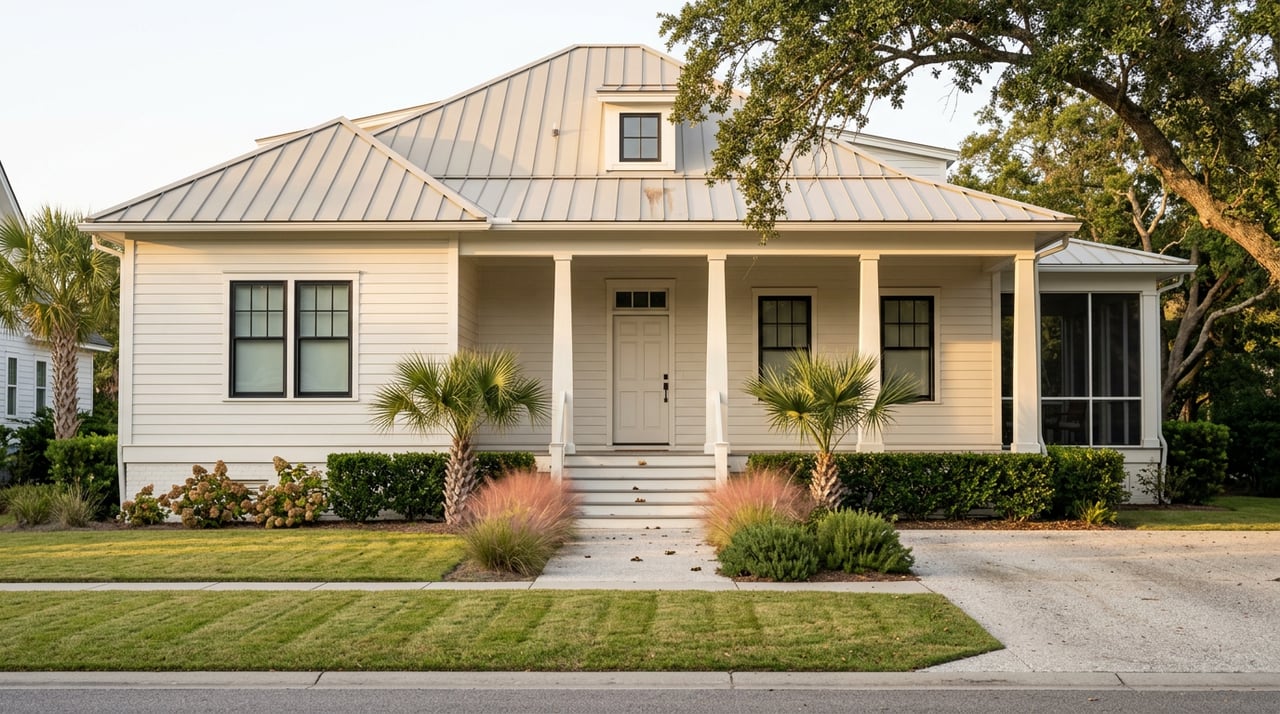
Pull up two homes in the same section of St. James Plantation. Same square footage, same year built, comparable lots, forty thousand dollars apart in asking price. Ask the listing agent why, and the answer rarely has anything to do with the house itself. It has to do with a piece of paper neither listing shows you: whether the club membership attached to that property is active or lapsed.
That distinction, more than square footage or golf course frontage, is the single biggest variable in what a St. James Plantation home actually costs to own. Most buyers do not find out until they are deep into a contract, and by then the number is fixed.
Membership here is optional. That's the part nobody explains well.
Here is the detail that surprises almost every out-of-state buyer touring St. James Plantation for the first time: owning a home inside the gates does not require joining a club. Golf, tennis, the pools, the dining rooms at any of the four clubhouses, all of it runs through a separate membership managed by The Clubs at St. James under Troon Privé, and that membership is elective. The official membership plan spells out categories, Golf, Sport, and Social, each with its own dues and its own use rights, and none of them are bundled automatically into your deed or your POA bill.
That sounds like good news, and for some buyers it is. You can buy a home in St. James, pay your Property Owners' Association dues, and never set foot in a clubhouse. But the optionality cuts both ways, and this is where the hidden mechanism lives.
A house with an active, transferable membership and a house with a lapsed one can sit on the same street, list at similar prices, and cost their next owners tens of thousands of dollars apart to actually use the community the way the marketing promises.
What joining actually costs, and why the number moves
If you do want in, the entry price depends heavily on timing and on what the previous owner did. Signature Golf membership has generally run in the neighborhood of thirty thousand dollars, split between a refundable deposit and a nonrefundable initiation portion, with Sport-tier access (everything but golf) priced lower, closer to fifteen thousand. Monthly dues for a full golf membership have recently sat in the $550 to $650 range. These figures move over time. Dues under the current management structure have climbed most years, and buyers should treat any quoted number as a starting point to confirm, not a locked-in fact.
None of that is unusual for a private club community. What is unusual, and what most general community guides skip past, is the transfer mechanism.
The number that actually moves the price
If the home you are buying has an active membership already attached to it, you typically do not pay the full initiation fee. Instead you pay a transfer or activation fee, historically around $5,000, and step into the membership the seller already holds. If the membership is inactive or was never activated, you start from zero at the full initiation cost.
That is a swing of $10,000 to $25,000 or more, depending on the tier, sitting entirely outside the number on the listing sheet. A seller who kept dues current for the last two years of ownership, even after they stopped using the club much, has effectively banked a transferable asset. A seller who let the membership lapse to save money has quietly reduced what the next buyer is willing to pay, or should be willing to pay, for an otherwise identical house.
This is the incentive structure worth understanding before you write an offer. Sellers who know the transfer value exists have a reason to keep dues current even when their own usage drops off. Buyers who don't ask about it are negotiating blind on one of the largest variable costs in the transaction.
Layering the real monthly carry
The base Property Owners' Association dues at St. James Plantation are modest on their own, generally cited in the $790 to $1,100 per year range for most single-family sections, though some sources place certain sections closer to $2,800 to $4,000 annually depending on location and amenities included. That discrepancy alone is a reason to confirm the specific figure for the section you're considering rather than relying on a community-wide average. Layer club dues and, for condos, cottages, or other maintenance-included product, a sub-association fee on top, and the total carrying cost stops looking like a single line item.
| Cost component | Typical range | Applies to |
|---|---|---|
| Base POA dues | roughly $790 to $1,100 per year (some sections report higher) | All homeowners |
| Sub-association fee | $300 to $600+ per month | Condos, cottages, maintenance-free product |
| Club initiation (no active membership) | $15,000 to $30,000+ depending on tier | Buyers electing to join |
| Membership transfer/activation | approximately $5,000 | Buyers whose home has an active, transferable membership |
| Monthly club dues, full golf | roughly $550 to $650 | Signature Golf members |
| Marina slip dues | about $111.67 per month | Slip owners |
Two buyers can close on homes priced identically and walk away with monthly obligations that differ by several hundred dollars, purely based on product type and membership status. That is the number a listing sheet cannot show you, because it depends on choices the current owner made years ago.
Four clubs, one marina, and what you're actually paying for
It helps to know what the dues buy, because "resort amenities" undersells it. St. James operates four distinct clubhouses. The Founders Club carries a P.B. Dye golf design. The Members Club features a 27-hole course, the first eighteen designed by Hale Irwin and a nine-hole addition by Tim Cate. The Reserve and Players round out the roster, giving the community 81 holes across the four courses.
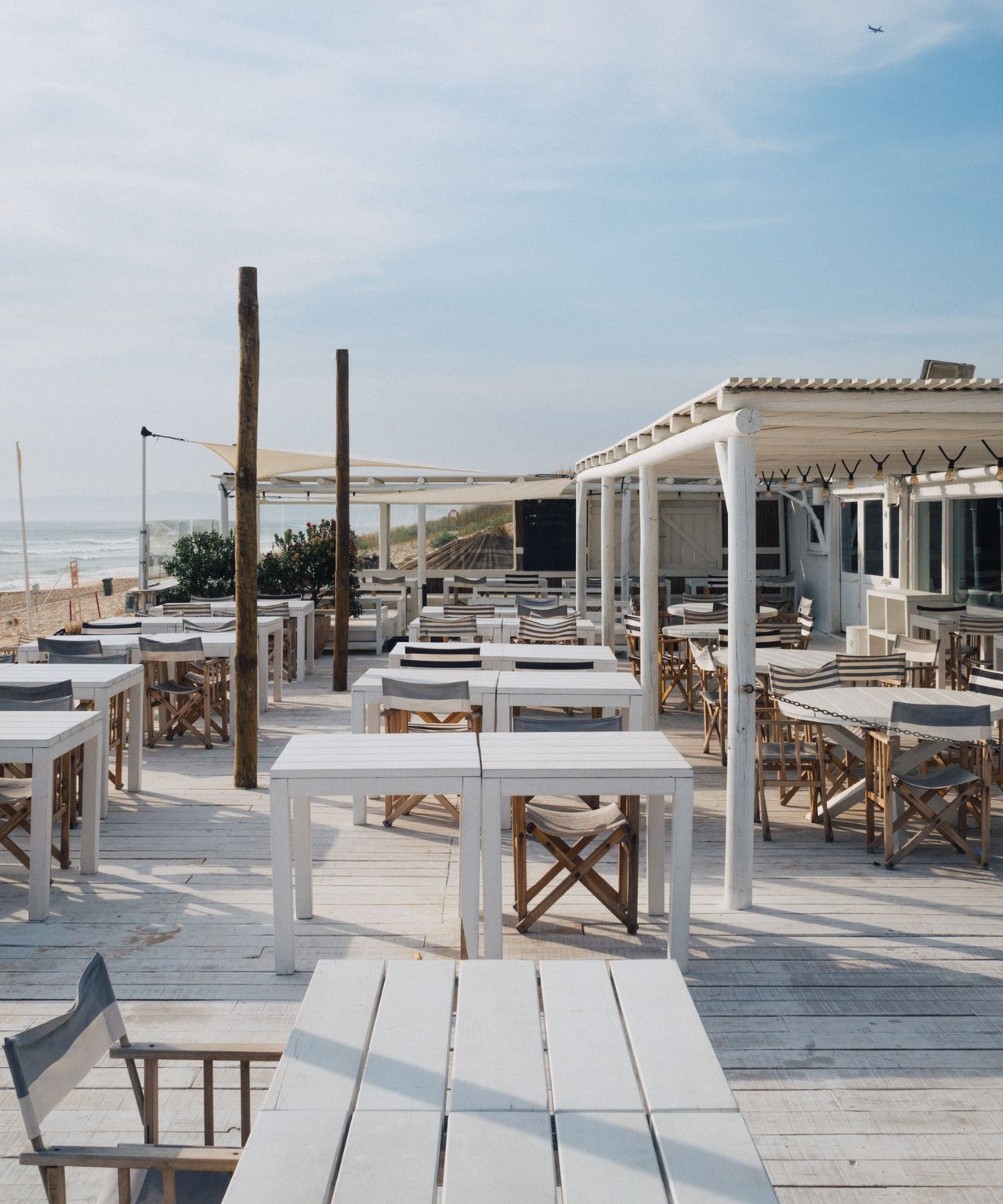
Away from the fairways, the marina anchors a different kind of social life. With 155 wet slips and 320 dry slips inside the gates, most residents interact with the water even if they don't own a boat, largely because Beacon 315, the marina's tiki bar and restaurant, functions as the community's informal Friday night gathering spot. The private beach club on Oak Island, roughly a fifteen minute drive from the main gate, extends that lifestyle to the sand without requiring a separate purchase, though access still runs through club membership status.
None of this is unique information to St. James. What is unique is understanding that every piece of it sits behind an opt-in gate, and the gate's price depends on whether the door was left open by the last owner.
Why this matters more in today's market
St. James Plantation's median sale price stood at $610,000 as of March 2026, down 6.7 percent year over year. A softening market shifts leverage toward buyers in exactly the negotiation that matters most here: asking a seller to keep membership dues current through closing, or to credit the transfer fee, or to disclose membership status plainly in the listing itself. In a faster market, sellers can decline those requests and still find a buyer. In a cooling one, they have more reason to say yes.
That makes this the right window for buyers to ask the question directly, in writing, before they get emotionally attached to a floor plan.
Before you write an offer
- Ask whether the home's club membership is currently active, and in which tier (Golf, Sport, or Social)
- Confirm whether that membership is transferable and what the transfer or activation fee will be at today's rate
- If the membership is inactive, get the current full initiation fee in writing from the Membership Director's office rather than relying on a listing description
- Ask which sub-association, if any, applies to the specific home, since condos, cottages, and single-family lots are not treated the same
- Confirm the current POA dues for that specific section, since the community-wide figures you'll find online vary by neighborhood
A few questions that come up often
Can I buy a home in St. James Plantation and never join any club? Yes. Club membership is separate from property ownership. You'll still pay standard POA dues, but golf, tennis, the pools, and clubhouse dining all require an active membership you choose to purchase.
What happens if the home I'm buying had a membership that lapsed years ago? You'd be treated as a new member and pay the full current initiation fee for whichever tier you want, not the reduced transfer rate. There's no partial credit for a membership that already expired.
Do all sections of St. James Plantation pay the same HOA dues? No. Base POA dues vary by section, and condo, cottage, and townhome owners typically pay an additional sub-association fee on top of those base dues for shared maintenance items like landscaping and exterior insurance.
If you're comparing homes in St. James Plantation and the membership status isn't spelled out anywhere in the listing, that's worth a phone call before it's worth an offer. Vic's Picks works this market section by section, and can help you find out exactly what's attached to a specific address before you're the one deciding whether to activate, transfer, or walk away.